
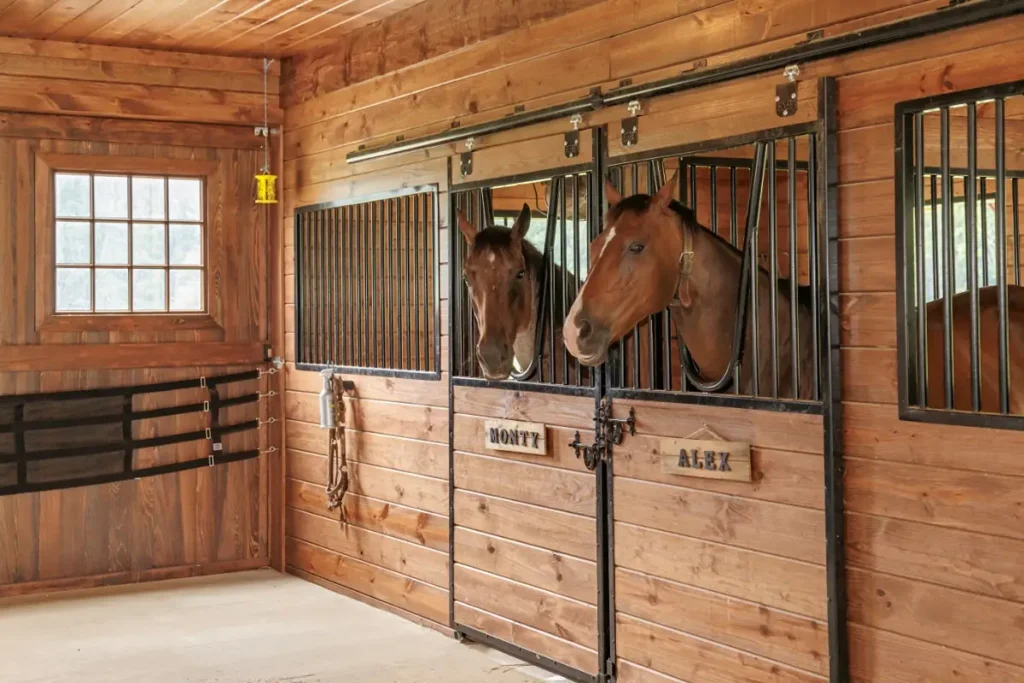
We build custom horse barns, indoor riding arenas, timber frame structures, and equine facilities across northern Baltimore County, from the Worthington Valley to Monkton, Glyndon, and Sparks. Based in New Providence, PA, we bring Lancaster County timber craftsmanship to working farms where outbuildings must handle heavy daily use and sit naturally in historic hunt country.
Northern Baltimore County holds some of the most historic equestrian land in the country. The Maryland Hunt Cup, first run in 1894, has been held in the Worthington Valley since 1922. My Lady’s Manor in Monkton remains famous for timber racing and breeding farms, while the Worthington, Green Spring, and Long Green valleys maintain active foxhunting and show stables.
Double S Construction builds custom horse barns, indoor and outdoor arenas, timber frame structures, and estate outbuildings. We take on a controlled number of builds each season so the same team that evaluates your property stays with it through construction. Every layout begins on the ground: tractor access for bulk hay and bedding deliveries, gooseneck trailer turnarounds, paddock gate alignment, and manure management.
Building in northern Baltimore County means meeting two demanding standards at once:
If you’re planning a barn or arena in Baltimore County, we’d like to help you make it a reality.
 Trustindex verifies that the original source of the review is Google.

 Trustindex verifies that the original source of the review is Google.
 Trustindex verifies that the original source of the review is Google.
 Trustindex verifies that the original source of the review is Google.
 Trustindex verifies that the original source of the review is Google.
 Trustindex verifies that the original source of the review is Google.
 Trustindex verifies that the original source of the review is Google.

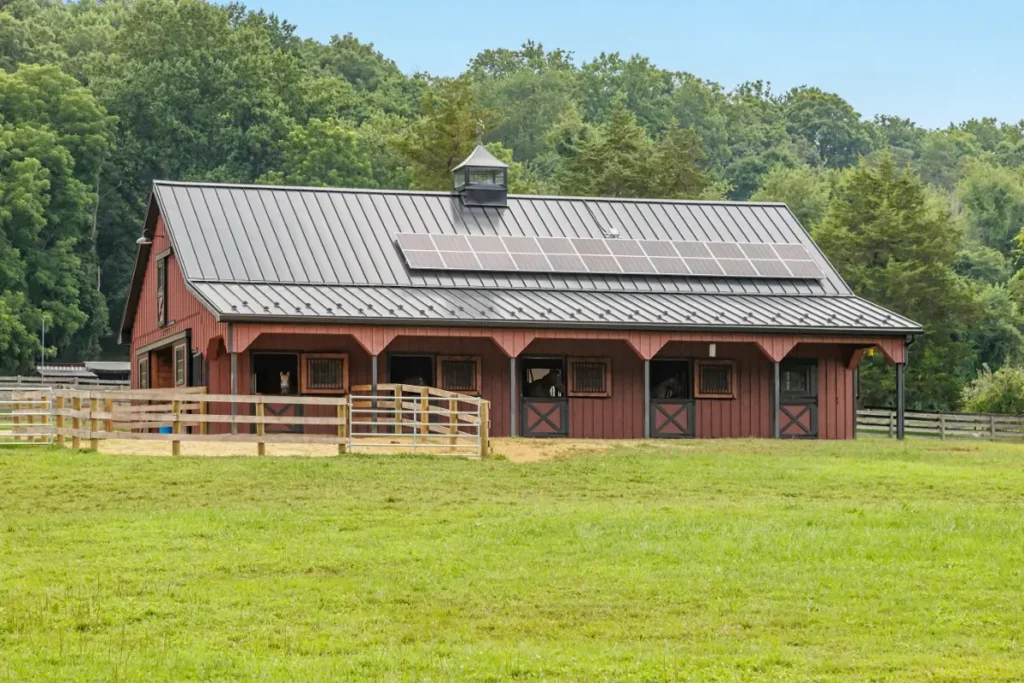
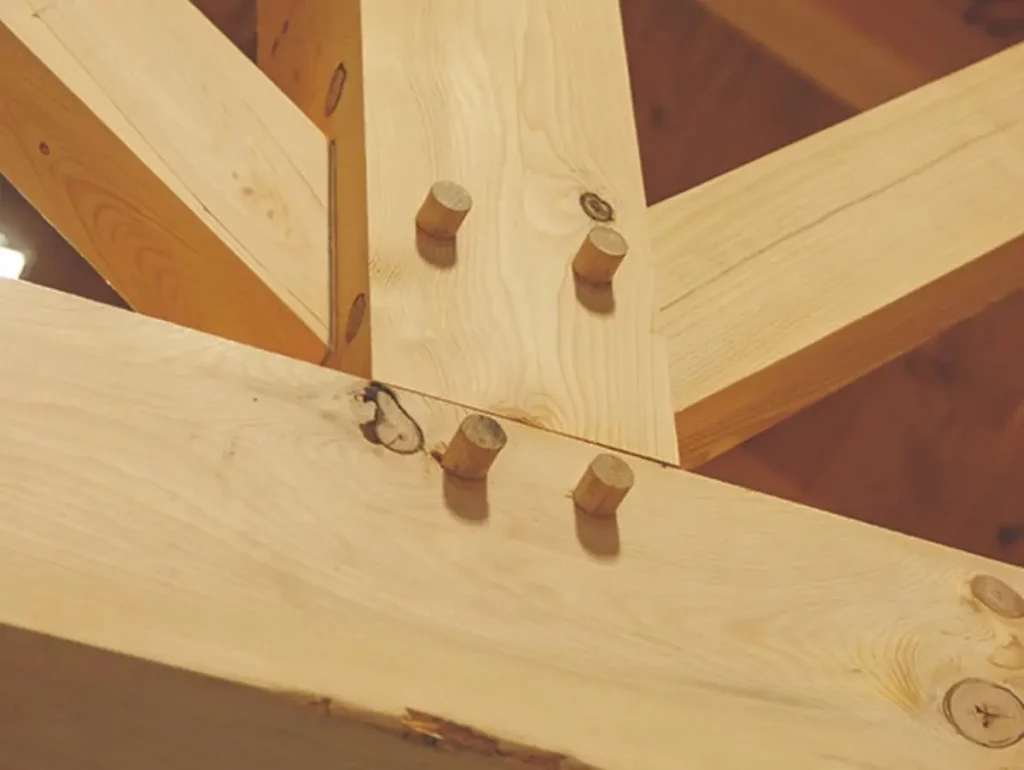
Heavy timber framing, authentic board-and-batten siding, custom monitor rooflines, and functional cupolas. Your barn will look like an established part of the valley rather than a prefabricated kit dropped into a field.
Barns stay dry when drainage is handled below the subgrade. We place each building and plan its roof runoff to keep mud away from barn doors and runoff out of local reservoir tributaries. We can handle the swales and footing base ourselves, or your own excavation contractor can take that on.
Many north county farms carry Maryland Agricultural Land Preservation Foundation (MALPF), Maryland Environmental Trust (MET), or local land trust easements. We ask about easements early and design within your property’s building envelopes and impervious surface limits.
You work directly with our build team from the initial walkthrough to the final punch list. You receive clear timelines, material specifications, and regular construction updates throughout the project.
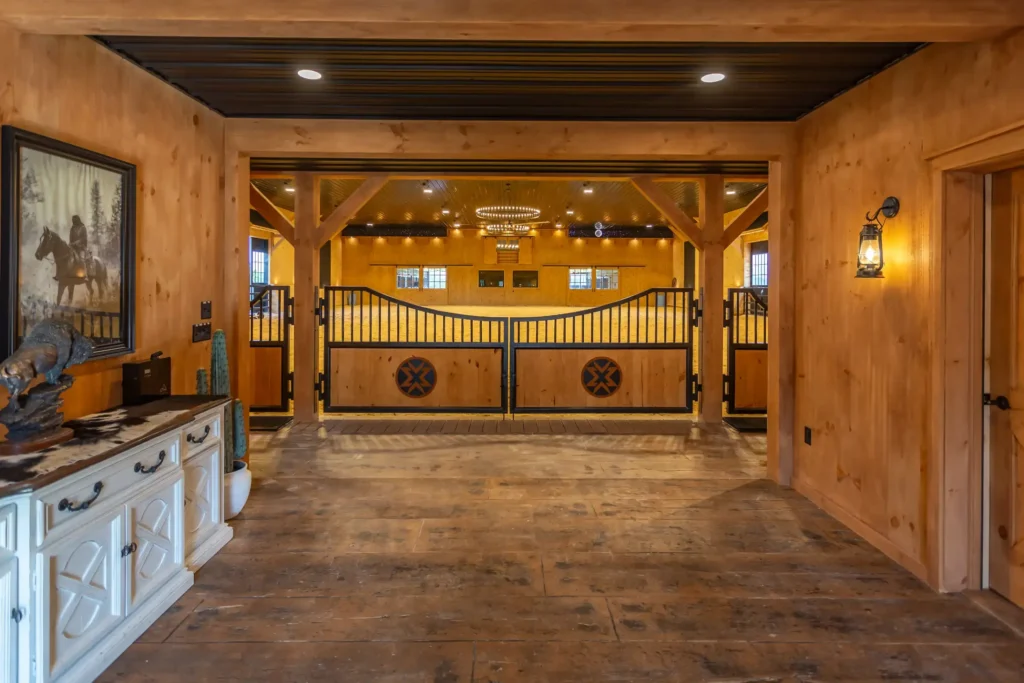
Every facility is custom-engineered for your discipline, routine, and acreage:
Our process keeps your project structured, code-compliant, and on schedule:
Call us to talk through your ideas. We visit your farm to assess topography, prevailing winds, sun exposure, truck access, water connections, and local conservation setbacks.
You receive a complete scope of work with transparent costs, structural specifications, and construction schedules.
Once your permits are in place, sitework can begin. You're welcome to hire your own excavation contractor, or we can handle excavation, pad prep, and drainage so your building starts on a dry, level base.
Our Lancaster County framing crews manage the build from post setting to trim finish. We hand over a finished, swept facility ready for horses, bedding, and daily chores.
We construct barns and arenas throughout the rural preservation corridors of Baltimore County:
Whether you’re planning a private barn on a few acres near Sparks or an arena on a Worthington Valley farm, there’s a good chance we’ve built something similar and can help you plan it right.
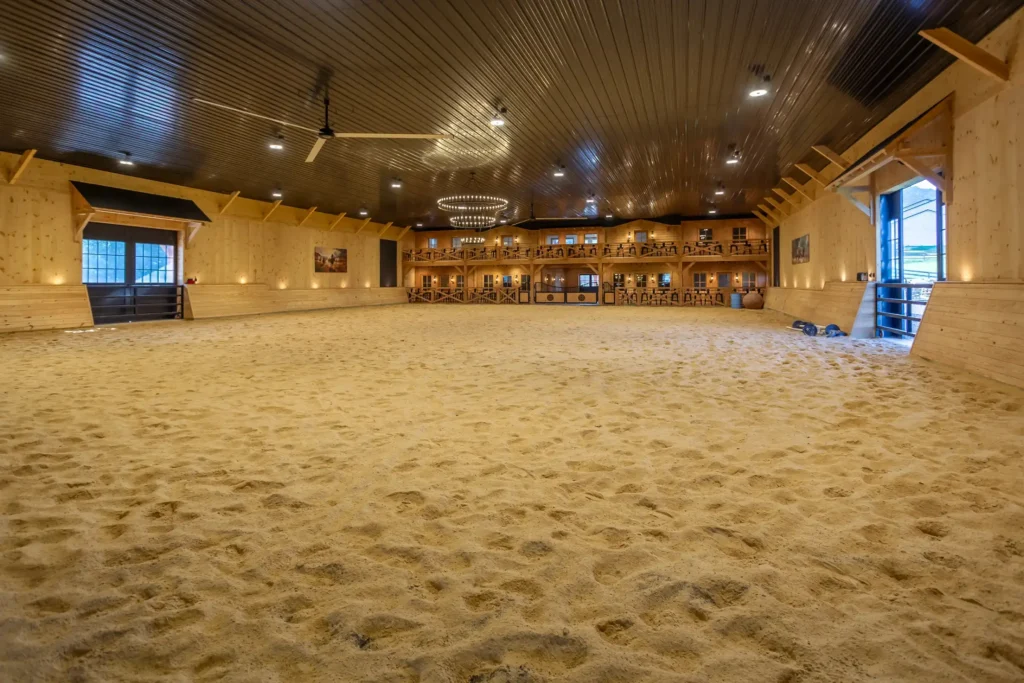
From a four-stall private barn near Sparks to an indoor arena complex in the Worthington Valley, our team can help you map out site placement, drainage, and building layouts tailored to your property.
Yes. Double S Construction builds custom horse barns, covered riding arenas, and timber frame structures throughout northern Baltimore County, including the Worthington Valley, Monkton, Sparks, Glyndon, and Hunt Valley. Our primary workshop is located in New Providence (Lancaster County), Pennsylvania, and our crews build on-site across Maryland hunt country. We are licensed in Maryland (MD Lic. #131120).
No, farm buildings are not completely exempt from county regulations in Baltimore County. Farm structures require an approved Agricultural Verification Form through the Department of Permits, Approvals and Inspections (PAI) to verify agricultural status, and qualifying structures are typically filed as residential accessory structures. Trade permits for electrical, plumbing, and gasfitting installations are always mandatory.
Yes, any project that disturbs greater than 5,000 square feet or more than 100 cubic yards of fill material requires an approved sediment control plan and a Baltimore County grading permit. Because standard indoor arenas and multi-stall barn footprints typically exceed this threshold, plan to start site engineering and erosion control plans with your engineer early, well before construction is scheduled.
Yes, most agricultural and conservation easements permit equine structures, but the easement holder must formally review and approve the plans before construction. Properties governed by the Maryland Agricultural Land Preservation Foundation (MALPF), the Maryland Environmental Trust (MET), or private land trusts enforce specific building envelopes and impervious surface caps that govern where a new barn can sit.
Most equestrian building projects take 3 to 5 months of active construction, depending on size, footing selection, and interior finish level. Permitting, grading approvals, and Agricultural Verification reviews typically require an additional 60 to 90 days before excavation can begin.
Yes. Besides barns and arenas, we build custom homes, barndominiums, timber frame buildings and additions, and we renovate older barns. Many Baltimore County farms have historic stone or bank barns, and we can update them while keeping the character that makes them worth saving.
Guidelines and applications for the Agricultural Verification Form, residential accessory structure filings, and county grading permits.
State regulatory body providing stable licensing requirements, equine facility guidelines, and industry resources.
State requirements for equine operations meeting the statutory threshold (8 or more animal units or $2,500+ gross farm income), covering manure storage and pasture management rules.